
Character Profiles
Meet the Valley Guides
Each Valley guide brings a different kind of emotional support. Browse their full-length portrait cards, then click, tap, hover, or use the keyboard to discover how each character helps.
Every guide has a distinct role, but feelings often overlap. Choose a focus or explore the full collection.
Valley friends
Choose a character to explore
The artwork is shown without cropping so each character’s full profile remains visible. Open a card for their emotional role, guiding phrase, appearance, and way of helping.
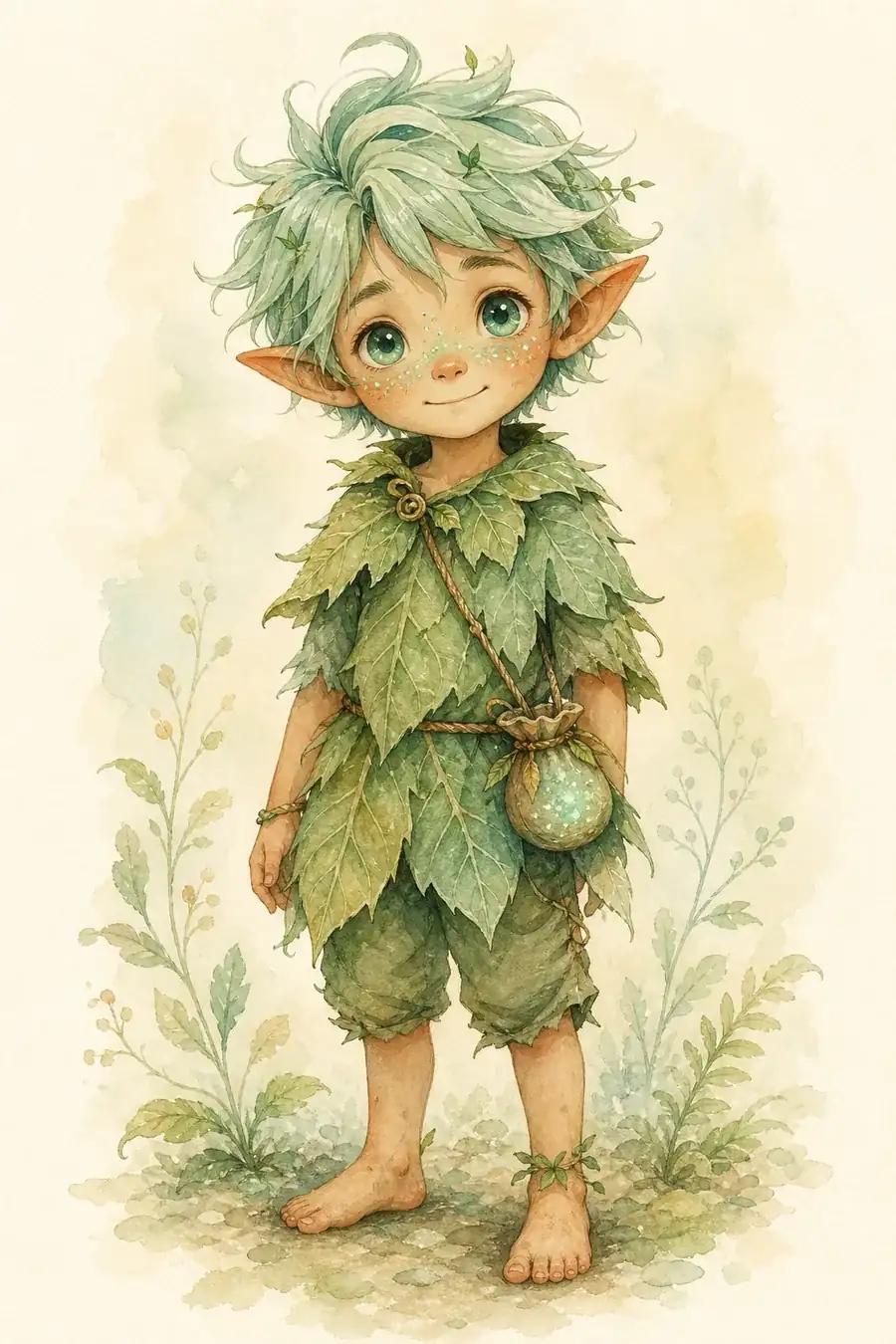
Empathy and curiosity
Menthol Elf
Notice feelings together
Empathy and curiosity
Menthol Elf
“Let’s notice this feeling together.”
How he helps: Menthol Elf listens, asks gentle questions, and helps feelings become easier to notice and name without shame.
Look for: mint-green leaf-like hair, softly glowing freckles, a leafy tunic, and bare feet.

Mindfulness and calm
Willow the Wise Fox
Slow the moment down
Mindfulness and calm
Willow the Wise Fox
“Take one slow breath and see what you notice.”
How he helps: Willow moves slowly, speaks calmly, and invites breathing and quiet noticing before advice is offered.
Look for: a dusty russet fox wearing his moss-green scarf.
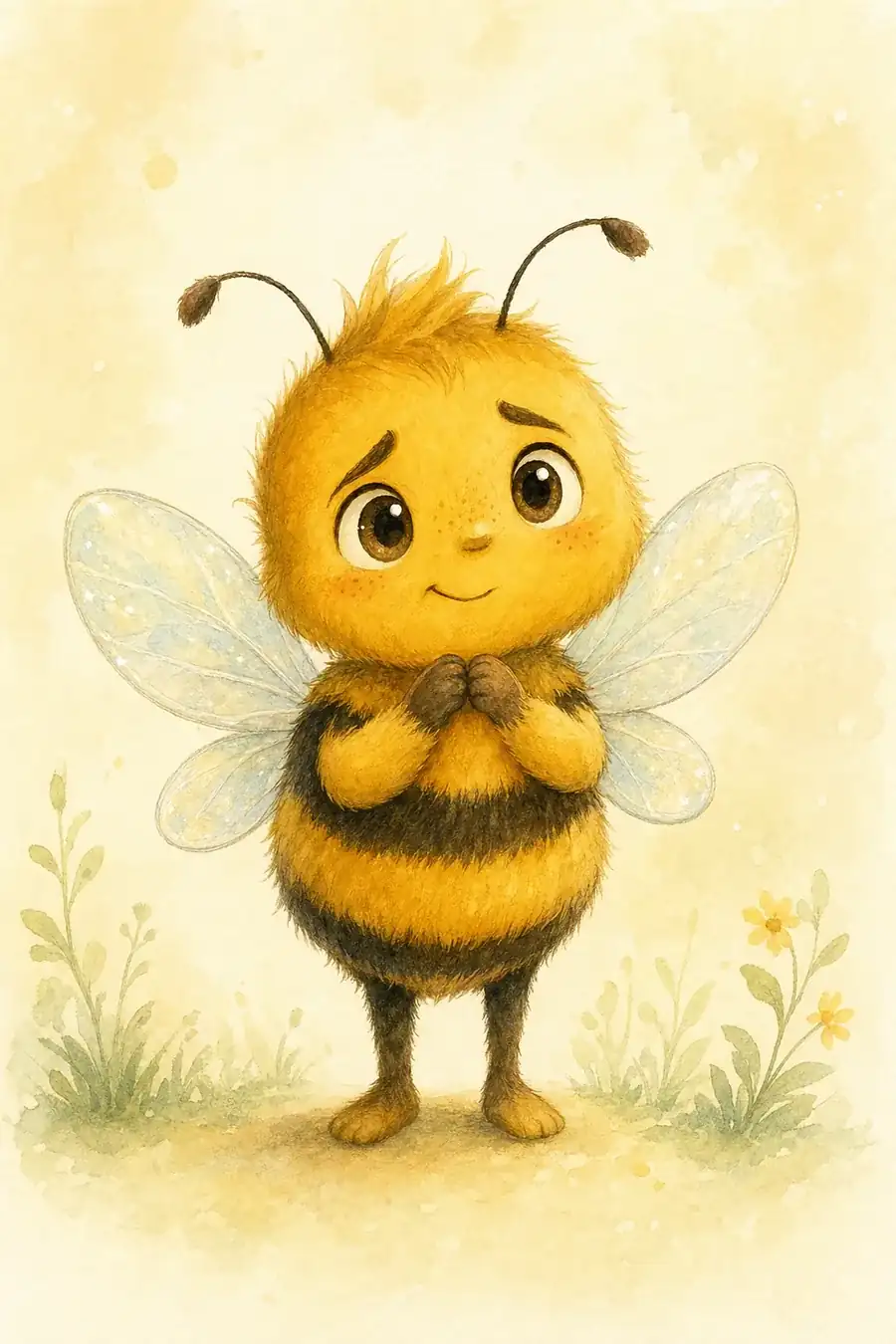
Courage
Bumble the Brave Bee
Try while feeling fluttery
Courage
Bumble the Brave Bee
“Brave can feel fluttery, and you can still try.”
How he helps: Bumble shows that bravery does not mean feeling no fear. It means trying one manageable step while the nervous feeling is still there.
Look for: a round fuzzy bee with translucent wings and a golden glow during brave moments.

Emotional awareness
Nora the Noticing Gnome
Look for feeling clues
Emotional awareness
Nora the Noticing Gnome
“Let’s look for the clues this feeling is giving us.”
How she helps: Nora notices clues in faces, bodies, places, and words so feelings can be named carefully and kindly.
Look for: her pinecone hat, magnifying glass, and patchwork clothes.
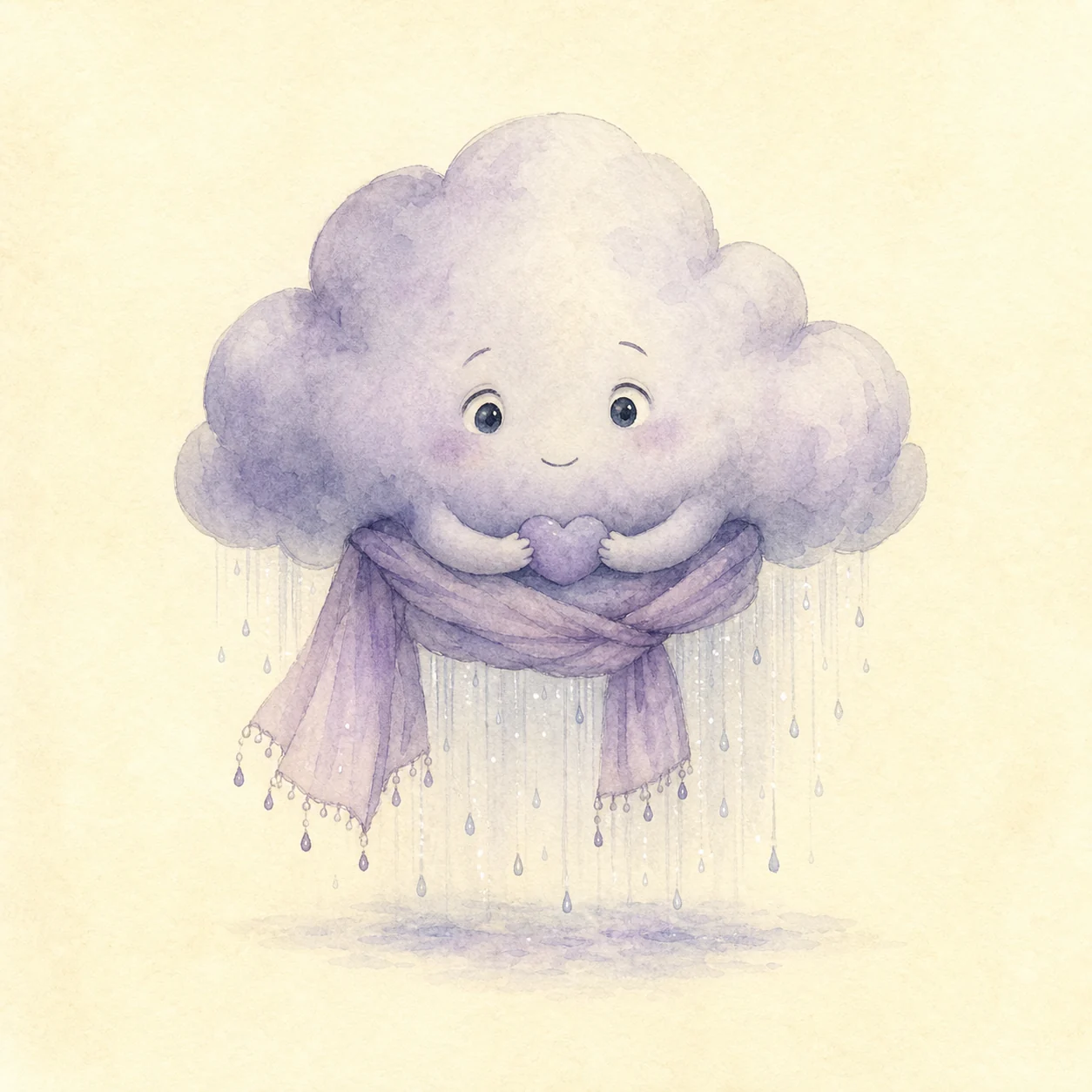
Sadness and release
Drizzle the Listening Cloud
Give tears a gentle place
Sadness and release
Drizzle the Listening Cloud
“Tears can help feelings move.”
How she helps: Drizzle listens quietly, normalises tears, and lets sadness be felt without pressure to cheer up quickly.
Look for: a lavender-grey cloud with gentle rain.
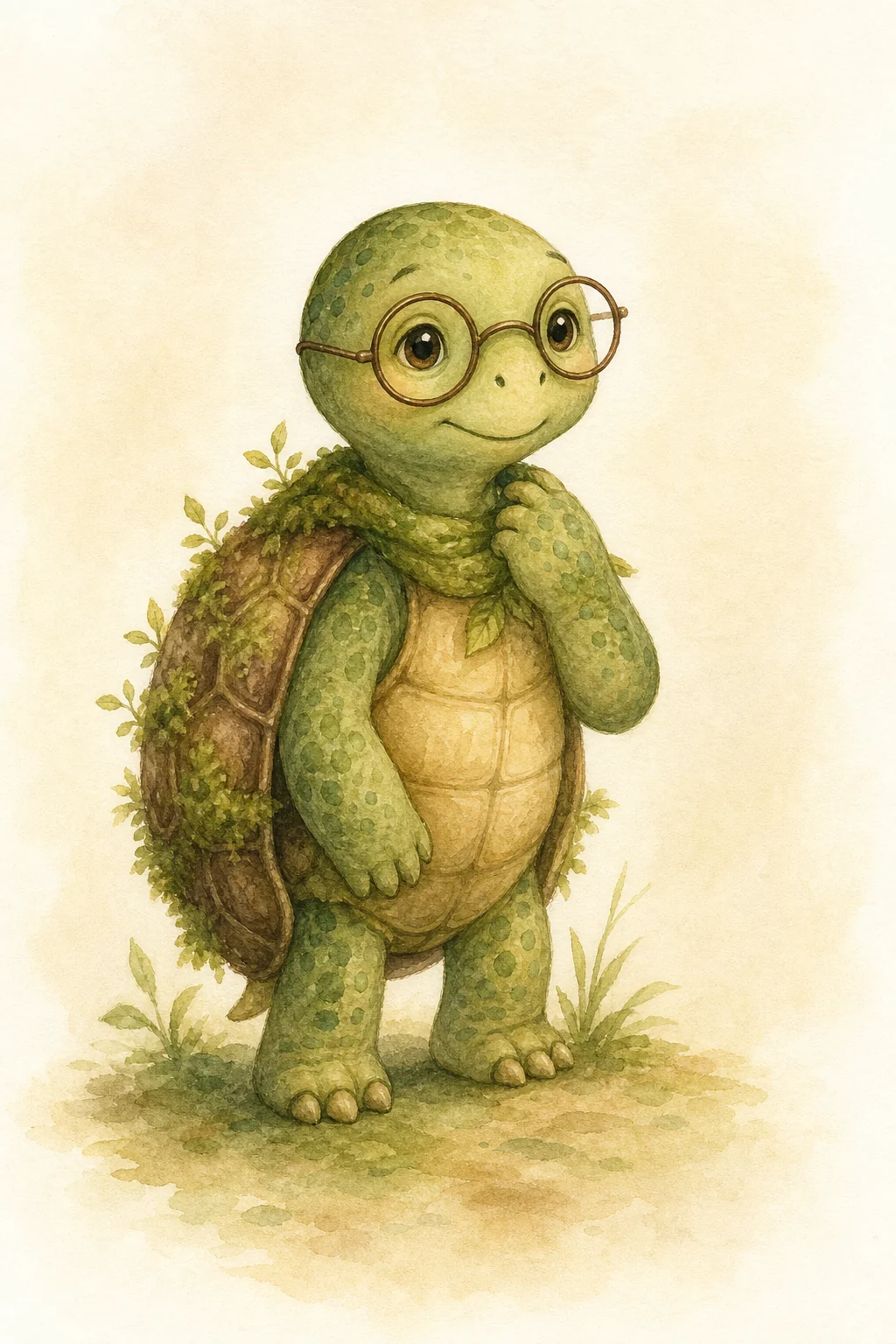
Patience and pause
Tuck the Thoughtful Turtle
Pause, think, choose
Patience and pause
Tuck the Thoughtful Turtle
“Pause. Think. Choose.”
How he helps: Tuck is slow, steady, and deliberate. He helps children pause before deciding what to do next.
Look for: a mossy green turtle wearing spectacles.

Confidence and perseverance
Pip the Confidence Squirrel
Practise and try again
Confidence and perseverance
Pip the Confidence Squirrel
“Trying again helps confidence grow.”
How she helps: Pip practises openly, models trying again, and treats mistakes as part of learning.
Look for: a chestnut squirrel with a fluffy tail, acorn satchel, and Confidence Acorn.
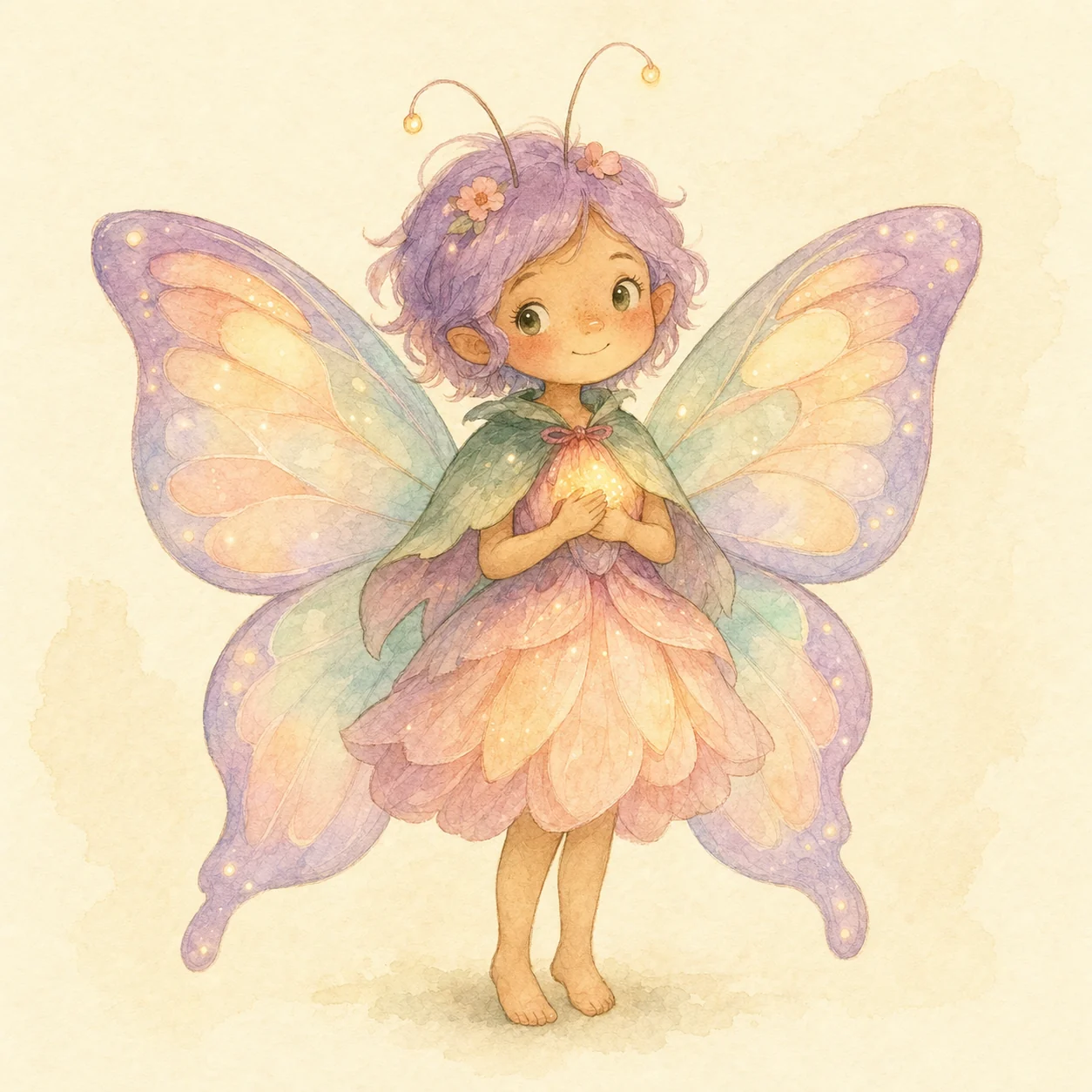
Gratitude
Glimmer the Gratitude Butterfly
Notice small good things
Gratitude
Glimmer the Gratitude Butterfly
“Small good things can still shine beside hard feelings.”
How she helps: Glimmer notices moments of joy and appreciation without asking harder feelings to disappear.
Look for: a pastel butterfly with softly glowing wings.
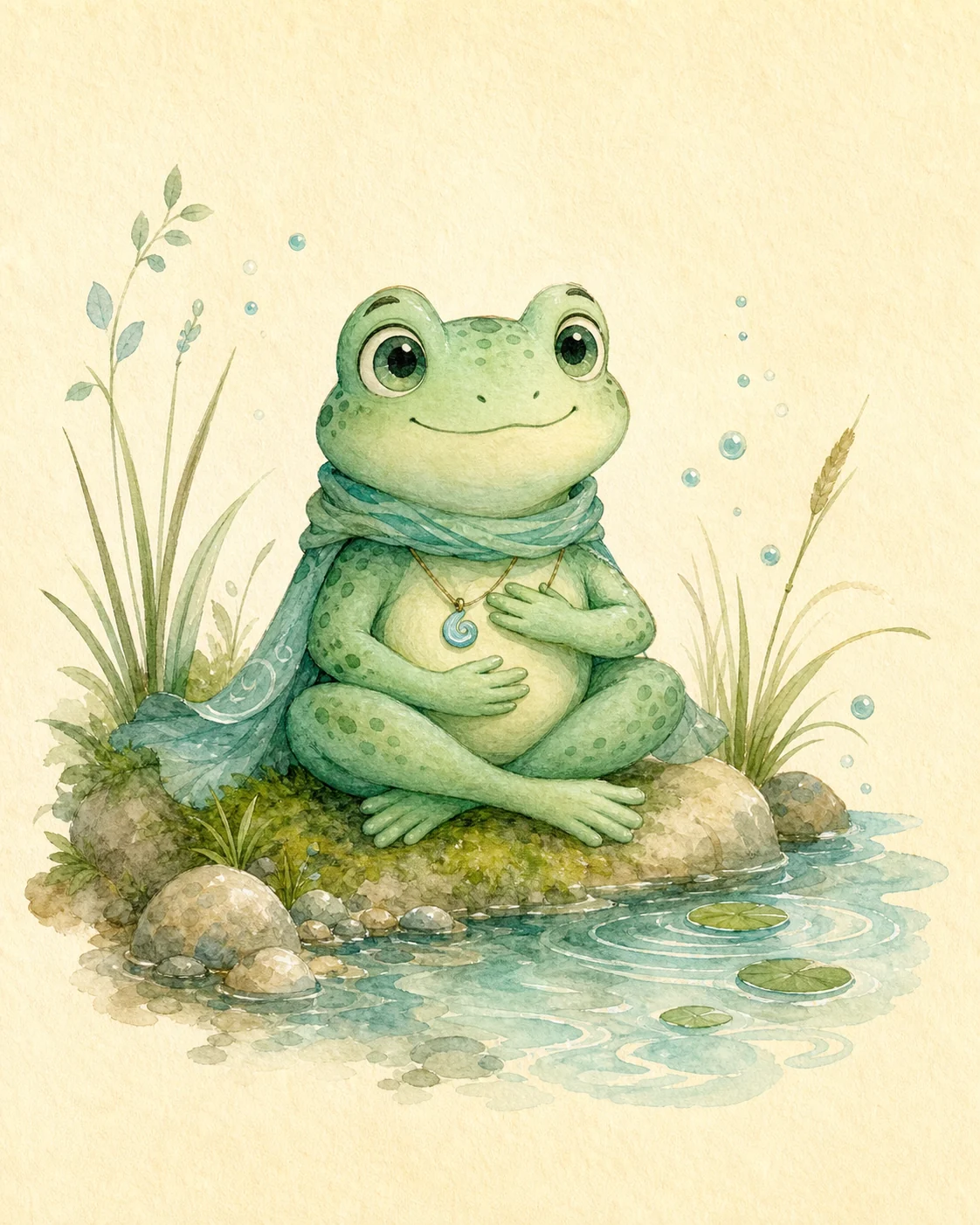
Emotional regulation
Ripple the Calm Frog
Find a steady rhythm
Emotional regulation
Ripple the Calm Frog
“Slow breaths can help your body feel calmer.”
How he helps: Ripple uses slow breathing and body-calming rhythms to support regulation without asking a feeling to vanish.
Look for: a mint-green frog near Calmwater Creek or its short calming path.
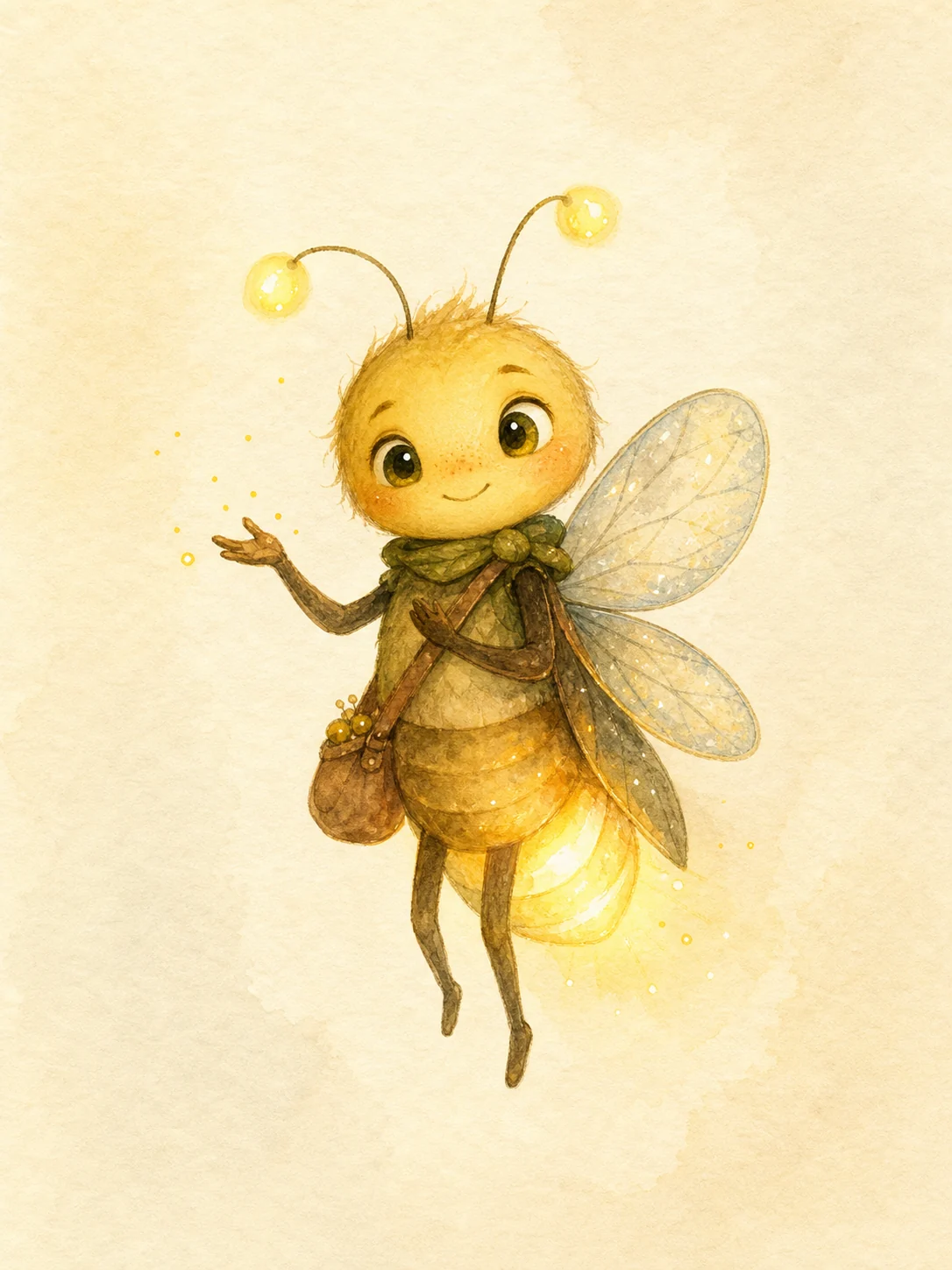
Encouragement and hope
Freddie the Encouraging Firefly
Keep a little light nearby
Encouragement and hope
Freddie the Encouraging Firefly
“You are doing better than you think.”
How he helps: Freddie offers hopeful encouragement during challenge and brightens when someone keeps trying.
Look for: a small firefly with a warm golden glow.
A shared language for feelings: the Valley guides offer gentle story characters and emotional tools for families and classrooms. They support conversation and reflection; they do not replace safeguarding, therapy, crisis support, or specialist help.